
If your electricity bill keeps climbing, you’re not alone. Many business owners pay hundreds [or even thousands] of dollars more than they should every year, simply because they’ve never reviewed their energy contract or compared supplier rates.
The good news? Reducing your business electricity bill doesn’t always require expensive equipment upgrades or major operational changes. In many cases, the biggest savings come from something much simpler: knowing what you’re paying for and whether a better option exists.
This guide covers the most effective strategies to lower your electricity bill as a business, from quick operational fixes to the one step most businesses overlook entirely.

Why Business Electricity Bills Are Often Higher Than They Should Be
Before diving into solutions, it helps to understand why businesses overpay in the first place.
Unlike residential customers, commercial electricity users often sign multi-year contracts with energy suppliers. These contracts lock in a rate — and then get renewed automatically when they expire, sometimes without the business owner even noticing.
The problem is that energy markets change. Rates that were competitive two or three years ago may no longer reflect what’s available today. Businesses stuck in outdated contracts often pay 5% to 20% more than comparable operations on newer agreements.
Other common reasons for high electricity bills include:
- Automatic contract renewals at non-competitive rates
- Outdated pricing structures that don’t reflect current market rates
- No supplier comparison since the original contract was signed
- Hidden contract terms that limit flexibility or add unexpected charges
- Inefficient equipment running on outdated energy schedules
7 Ways to Reduce Your Business Electricity Bill
1. Review Your Current Energy Contract
The single most impactful thing most businesses can do is take a close look at their current electricity contract. When was it signed? When does it expire? Is it on a fixed or variable rate?
Many businesses don’t know the answers to these basic questions, and that lack of visibility is exactly how overpayments happen.
Pull out your most recent electricity bill and look for:
- Your current rate per kilowatt-hour (kWh)
- Your contract end date
- Any auto-renewal clauses
If your contract is approaching its end date, that’s the best time to explore alternatives.
2. Compare Energy Suppliers
In deregulated energy markets, businesses have the right to choose their electricity supplier. This means you’re not locked into the utility company that delivers power to your building , you can shop around for a better rate.
The challenge is that most business owners don’t have the time or the tools to compare multiple supplier offers on their own. That’s where an independent energy cost analysis can help.
At SpendWizer, we review your current electricity bill and compare it against available supplier rates in your area, at no cost and with no obligation. Most analyses are completed within 24 to 48 hours, and we’ll tell you clearly whether a better option exists.
Upload your electricity bill for a free analysis →
3. Audit Your Energy Usage
A usage audit helps you understand where your electricity is actually going. For most commercial operations, the biggest consumers are:
- HVAC systems (heating, ventilation, and air conditioning)
- Lighting (especially in older buildings still using fluorescent fixtures)
- Refrigeration (critical for restaurants and grocery operations)
- IT equipment and servers
- Industrial machinery and production equipment
Knowing your top consumers helps you prioritize where changes will have the most impact.
4. Optimize Your Operating Hours and Equipment Schedules
Many businesses run equipment [air conditioning, lighting, machinery] on fixed schedules that don’t reflect actual occupancy or production hours. Aligning equipment operation with real usage patterns can reduce consumption without affecting output.
Practical steps include:
- Programming thermostats to reduce heating and cooling during off-hours
- Setting lighting timers or motion sensors in low-traffic areas
- Scheduling energy-intensive tasks (like manufacturing runs) during off-peak hours when utility rates may be lower
- Ensuring equipment is fully powered down (not just on standby) at the end of the day
5. Upgrade to Energy-Efficient Equipment
Older equipment typically uses significantly more electricity than modern alternatives. While equipment upgrades require upfront investment, the long-term savings can be substantial.
High-impact upgrades for commercial operations include:
- LED lighting — typically uses 50% to 75% less energy than traditional fluorescent or incandescent lighting
- High-efficiency HVAC units — especially if your current system is more than 10 years old
- Energy Star-rated appliances — particularly relevant for restaurants, hotels, and office environments
- Variable frequency drives (VFDs) for motors and pumps in manufacturing or warehouse settings
Many utility companies and state programs offer rebates for energy-efficient equipment upgrades. Check with your local utility or state energy office for available incentives.
6. Train Your Team on Energy Awareness
Operational habits have a measurable impact on energy consumption. Employees who are aware of energy costs tend to make small, consistent choices that add up over time, turning off lights when leaving a room, not leaving equipment running unnecessarily, reporting malfunctioning equipment that may be drawing excess power.
A brief team briefing on energy awareness costs nothing and can contribute meaningfully to monthly reductions.
7. Monitor Your Bills Monthly
Many businesses only look at their electricity bill when something feels wrong. By the time an issue becomes obvious, months of overpayment may have already occurred.
Set up a simple monthly review process:
- Compare your kWh usage month over month
- Flag any unusual spikes that don’t correspond to changes in operations
- Track your cost per kWh to detect rate changes
- Review contract terms as renewal dates approach
Consistent monitoring puts you in a better position to act, whether that means contacting your supplier, adjusting operations, or exploring a better contract.
The Step Most Businesses Skip: Supplier Comparison
Most of the strategies above focus on reducing how much electricity your business uses. That’s valuable — but there’s a ceiling to how much operational efficiency can save you.
The other lever is the rate you pay per kilowatt-hour.
If your business is in a deregulated energy state, you have the option to switch suppliers and potentially access a lower rate without changing anything about how you operate. This single change can deliver savings that no amount of turning off lights will match.
The challenge is that navigating the supplier market takes time and expertise most business owners simply don’t have. That’s exactly why SpendWizer exists.
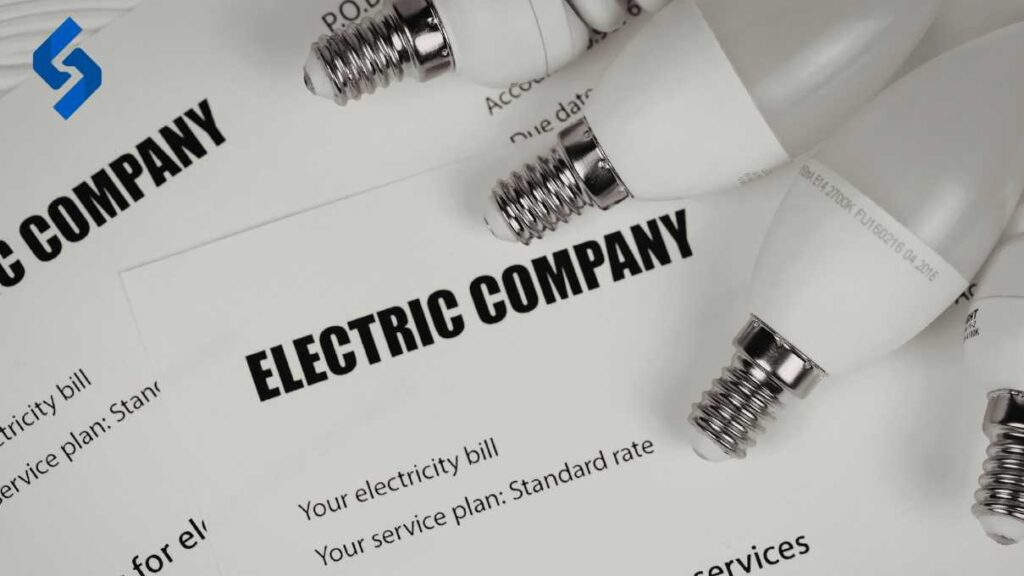
Get a Free Business Electricity Cost Analysis
We analyze your current electricity bill and compare it against available supplier options in your area. If a better rate exists, we’ll show it to you in a clear, easy-to-read report — usually within 24 to 48 hours.
There’s no cost, no obligation, and no pressure to switch.
If we don’t find a better option, you keep your current supplier — but you’ll have a clearer picture of your rate and contract structure to guide future decisions.
Ready to find out if your business is overpaying?
Upload your electricity bill for a free analysis →
Frequently Asked Questions
Does switching energy suppliers affect the reliability of my electricity?
No. The delivery of electricity to your building is still handled by the local utility company regardless of which supplier you choose. Switching suppliers only affects the rate you pay — not the service.
How long does a supplier switch take?
Most supplier switches are completed within one to two billing cycles. In most cases, there is no interruption to service.
Is this service available in my state?
Supplier choice is available in deregulated energy states. Submit your bill and we’ll let you know whether competitive options are available in your area.
What if my contract hasn’t expired yet?
We’ll still review your current rate and contract structure. Even if switching isn’t possible right now, knowing what’s available helps you plan for when your contract does expire.
SpendWizer provides independent commercial energy cost analysis for businesses across the United States. Our goal is simple: help you find out if you’re paying more than you should — and show you a better option if one exists.