
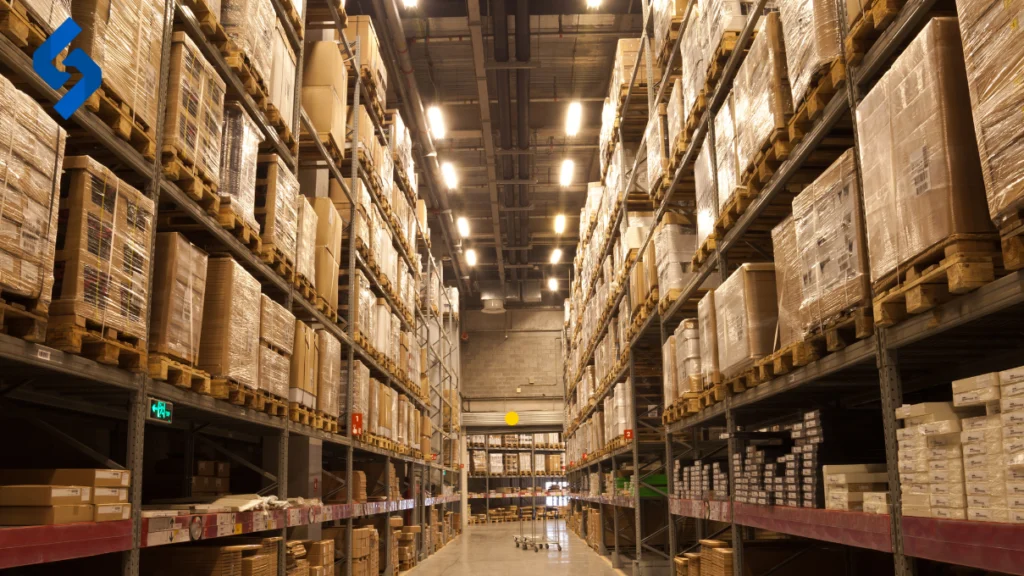
Warehouses and distribution centers face a unique energy challenge. Large footprints, high ceilings, continuous operation, and significant lighting and HVAC loads combine to produce some of the highest energy consumption per facility of any commercial building type. For warehouse operators, energy is rarely a minor line item — it’s a significant and recurring cost that directly affects margins.
The good news is that warehouses also present one of the clearest energy optimization opportunities in any commercial sector. The combination of scale, operating hours, and often-outdated infrastructure means that targeted improvements — particularly in lighting, HVAC, and dock management — can deliver substantial and lasting reductions in energy spend.
And just like any commercial operation, the rate a warehouse pays per unit of energy is as important as how much it uses. In deregulated energy markets, a supplier rate comparison is often the fastest path to meaningful savings — with no operational changes required.
Here’s how to approach energy optimization for your warehouse systematically.
The Warehouse Energy Profile: Where the Money Goes
Understanding where energy is consumed in a warehouse operation is the starting point for any optimization strategy. For a typical warehouse or distribution center, the breakdown looks roughly like this:
- Lighting: 60% to 70% of total electricity consumption
- Space heating and cooling (HVAC): 15% to 25%
- Dock equipment (doors, levelers, seals): 5% to 10%
- Conveyor systems, forklifts, and material handling: variable, often 5% to 15%
- Office and administrative areas: remainder
The lighting dominance is striking — and it’s also the clearest optimization opportunity. No other single improvement in a warehouse setting delivers the combination of scale, speed, and return on investment that a lighting upgrade does.
8 Strategies for Warehouse Energy Optimization
1. Upgrade to LED High-Bay Lighting
If your warehouse is still running metal halide or fluorescent high-bay fixtures, lighting is almost certainly your largest and most addressable energy expense. The efficiency gap between these older technologies and modern LED high-bay alternatives is significant:
- LED high-bay fixtures use 50% to 70% less electricity than metal halide equivalents
- LED fixtures produce full brightness instantly — no warm-up period, which matters for operations that turn lights on and off frequently
- LED lifespan is 3 to 5 times longer than metal halide, reducing replacement and maintenance labor costs
- LED fixtures produce less heat, reducing the cooling load on HVAC systems
For a warehouse running 100 metal halide fixtures at 400 watts each for 16 hours per day, switching to 150-watt LED equivalents reduces lighting-related electricity consumption by approximately 62% — a reduction of roughly 430,000 kWh per year at that scale.
LED high-bay retrofit projects typically deliver payback periods of two to four years, with energy savings that continue for the life of the installation. Many utility companies offer rebates for commercial LED upgrades — check with your local utility before purchasing.
→ How Inefficient Equipment Drives Up Your Business Energy Bill
2. Install Motion Sensors and Lighting Controls
Even after an LED upgrade, significant additional savings are available through intelligent lighting controls. Warehouses typically have areas with variable occupancy — storage aisles, restrooms, break rooms, loading areas — where lights run continuously regardless of whether anyone is present.
Occupancy sensors and motion-activated controls in low-traffic areas reduce lighting consumption in those zones by 30% to 60% without any impact on operations. Daylight harvesting systems that automatically dim lighting near skylights or windows when natural light is sufficient deliver further reductions.
For large facilities, a networked lighting control system that allows zone-by-zone management and scheduling can optimize consumption across the entire building based on actual operational patterns.
3. Seal and Insulate Loading Dock Areas
Loading docks are among the most significant sources of energy waste in any warehouse. Every time a dock door opens, conditioned air — heated in winter, cooled in summer — escapes, and unconditioned outside air enters. In facilities with high dock door activity, this exchange can account for a meaningful share of total HVAC energy consumption.
High-impact dock area improvements include:
- Dock seals and shelters — compression seals that create an airtight connection between the trailer and the building opening, eliminating air exchange during loading and unloading
- High-speed roll-up doors — replace slow-opening dock doors to minimize the duration of each opening cycle
- Dock door vestibules — air curtains or strip curtains that reduce air exchange when doors are open
- Insulated dock doors — for facilities in extreme climates, upgraded door insulation reduces heat transfer even when doors are closed
In cold-climate warehouses with high dock activity, these improvements can reduce heating-related energy consumption by 10% to 20% annually.
4. Optimize HVAC Zoning and Scheduling
Warehouse HVAC systems often treat the entire facility as a single thermal zone — heating or cooling the full footprint to a uniform temperature regardless of actual occupancy patterns. In reality, most warehouses have areas with very different occupancy levels and thermal requirements: high-activity picking zones, low-activity storage aisles, office areas, and loading docks each have distinct needs.
Zoned HVAC systems allow temperature management to be tailored to each area, reducing energy consumption in low-activity zones without compromising comfort or safety in high-activity areas.
Scheduling improvements — reducing heating and cooling to minimum setpoints during overnight hours and weekends — can deliver 10% to 15% reductions in HVAC energy consumption for facilities that currently run at full capacity during unoccupied periods.
5. Transition to Electric or Efficient Material Handling Equipment
Forklifts and other powered industrial vehicles represent a meaningful share of energy consumption in active warehouse operations. Older propane or LPG forklifts are less efficient than modern electric alternatives — and electric forklifts, charged during off-peak hours, can take advantage of lower electricity rates where time-of-use pricing applies.
For facilities with significant conveyor infrastructure, variable frequency drives (VFDs) on conveyor motors allow speed to be matched to actual throughput demand, reducing energy consumption during partial-load operation by 20% to 50%.
→ How Inefficient Equipment Drives Up Your Business Energy Bill
6. Improve Building Envelope Insulation
Heat transfer through walls, roofs, and floors forces HVAC systems to work harder to maintain target temperatures. For older warehouse facilities — particularly those built before modern insulation standards — the building envelope may be a significant source of unnecessary energy consumption.
High-impact insulation improvements for warehouses include:
- Roof insulation — heat rises, and inadequately insulated roofs allow continuous heat loss in winter and heat gain in summer
- Wall insulation — particularly relevant for metal-clad buildings, which conduct heat readily
- Floor insulation — relevant for refrigerated warehouses and cold storage facilities
A commercial energy audit can quantify the consumption impact of insulation deficiencies and prioritize improvements by payback period.
→ What Is a Utility Bill Audit and How Can It Save Your Business Money?
7. Implement an Energy Monitoring System
Warehouses that track energy consumption in real time identify inefficiencies faster than those that review monthly bills alone. Submetering systems that monitor consumption by zone, circuit, or equipment type make it possible to pinpoint exactly where energy is being used — and where unexpected consumption patterns indicate equipment issues or operational inefficiencies.
Even without submetering, a consistent monthly review of total consumption against operational benchmarks — units processed, square footage conditioned, operating hours — creates a baseline that makes anomalies visible and actionable.
8. Review and Compare Your Energy Supply Contract
All of the strategies above address the consumption side of warehouse energy costs. They’re worth implementing — but they work best alongside rate optimization.
A warehouse consuming 500,000 kWh per month and paying $0.082 per kWh when comparable suppliers offer $0.071 per kWh is spending $5,500 more per month than necessary — $66,000 per year — with no operational change required to capture the saving. Just a contract review and a switch.
In deregulated energy markets, warehouses and distribution centers are exactly the kind of high-consumption commercial account that suppliers compete actively to win. That competitive dynamic works in your favor — but only if you engage with the market.
An independent energy cost analysis through SpendWizer compares your current electricity rate against available supplier options in your market, with results in 24 to 48 hours — at no cost and no obligation.
→ How to Compare Business Energy Suppliers and Find a Better Rate
→ Energy Procurement Services: What They Are and Why Your Business Needs One
Building a Warehouse Energy Optimization Plan
The most effective approach to warehouse energy optimization isn’t to implement every strategy simultaneously — it’s to prioritize by impact and payback period.
A practical sequencing for most warehouse operations:
- Start with supplier rate comparison — no upfront cost, fastest payback, immediate impact on every kWh consumed going forward
- LED lighting upgrade — highest absolute consumption reduction, strong ROI, utility rebates often available
- Lighting controls — incremental improvement on top of the LED upgrade, low cost relative to savings
- Dock sealing and door improvements — high impact for facilities with active loading operations
- HVAC zoning and scheduling — meaningful savings with relatively low implementation cost
- Building envelope improvements — higher upfront investment, prioritize based on audit findings
- Equipment upgrades — material handling and motor efficiency, evaluate based on equipment age and usage
This sequence prioritizes the changes that deliver the fastest financial return — which funds and justifies subsequent investments.
Get a Free Warehouse Energy Cost Analysis
SpendWizer provides free commercial energy cost analysis for warehouse and distribution operations. Upload your most recent electricity bill and we’ll compare your current supplier rate against available options in your market within 24 to 48 hours.
No cost. No obligation. No pressure to switch.
For high-consumption operations like warehouses, even a modest rate improvement translates into significant annual savings. Find out where your rate stands before investing in any other efficiency initiative.
Upload your electricity bill for a free warehouse energy analysis →
Frequently Asked Questions
What is the single highest-impact energy improvement for most warehouses?
For warehouses still running metal halide or fluorescent high-bay lighting, an LED upgrade is typically the highest-impact single improvement — both in terms of absolute consumption reduction and return on investment. However, a supplier rate comparison should always come first since it requires no upfront investment and delivers immediate savings on every kWh consumed.
How long does an LED warehouse lighting retrofit take?
Most commercial LED retrofit projects are completed in one to three days for a standard warehouse footprint, with work typically scheduled during off-hours to avoid operational disruption.
Are utility rebates available for warehouse energy improvements?
Yes — many utility companies offer commercial rebates for LED lighting upgrades, HVAC improvements, and other efficiency investments. The availability and amount of rebates varies by utility and state. Check with your local utility or state energy office before making purchases.
Does warehouse size affect the opportunity for energy savings?
Larger warehouses have more absolute savings available due to higher total consumption — but the percentage opportunity is similar regardless of size. Even smaller warehouse operations that have never reviewed their supplier rate or upgraded aging lighting infrastructure have meaningful savings within reach.
Related reading:
- Energy Cost Savings for Businesses: A Complete Guide (Pillar Page)
- How to Reduce Your Business Electricity Bill
- What Is Utility Cost Reduction and How Does It Work?
- How Inefficient Equipment Drives Up Your Business Energy Bill
- What Is a Utility Bill Audit and How Can It Save Your Business Money?
- Energy Procurement Services: What They Are and Why Your Business Needs One
SpendWizer provides independent commercial energy cost analysis for businesses across the United States. Upload your bill and we’ll tell you whether a better rate exists — at no cost and with no obligation.